
Looking for the perfect air conditioner for your needs? Check out our comprehensive guide on the different types of air conditioners available in the market. Make an informed decision and stay cool this summer!
Are you looking for a way to beat the heat this summer? Do you want to enjoy a comfortable and cool environment in your home or office?
If yes, you need an air conditioner that suits your needs and budget. But how do you choose the best AC for your space?
Many different types of air conditioners are available in the market, each with its features, benefits, and drawbacks. This article will help you understand the different types of air conditioners and how to choose the best one for your space.
Window Air Conditioner
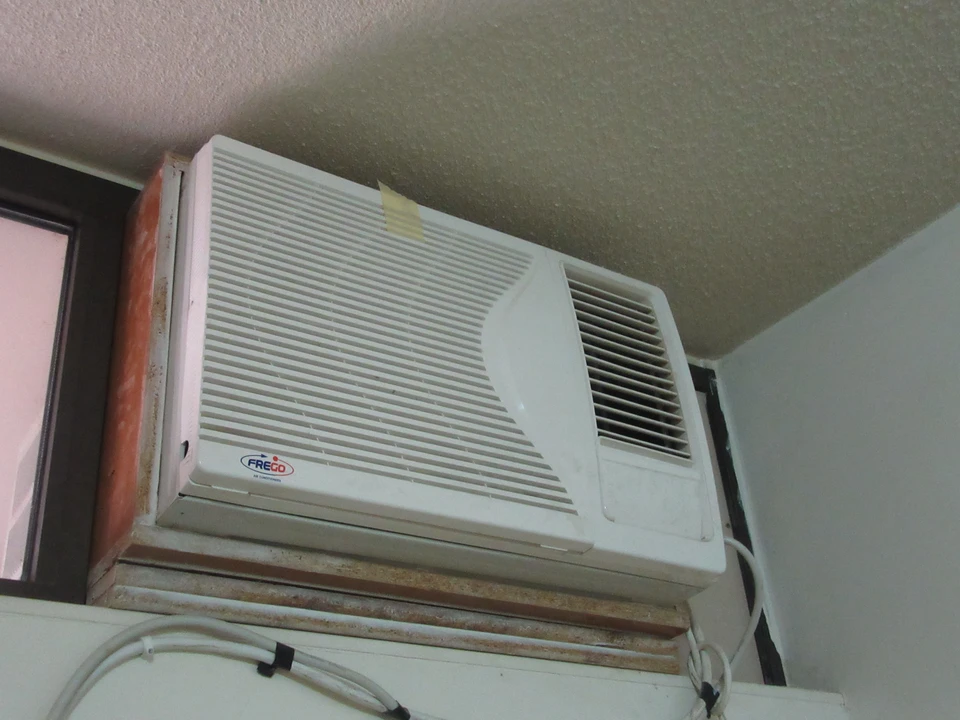
A window air conditioner is one of the most common and affordable types of ACs. It is a single unit that fits into a window or a wall opening and cools a single room.
A window AC has a compressor, a condenser, an evaporator, a fan, and a filter inside it. The compressor and condenser are located at the back of the unit, while the evaporator and fan are at the front.
The window AC works by taking in hot air from the room, passing it over the refrigerant evaporator coil, and blowing out cold air into the room. The hot air and moisture are expelled outside through the back of the unit.
The advantages of a window AC are:
- It is easy to install and uninstall
- It is cheaper than other types of ACs
- It does not require any ductwork or piping
- It is suitable for small to medium-sized rooms
The disadvantages of a window AC are:
- It is noisy
- It blocks natural light and ventilation
- It reduces the aesthetic appeal of the room
- It consumes more electricity than other types of ACs
Split Air Conditioner
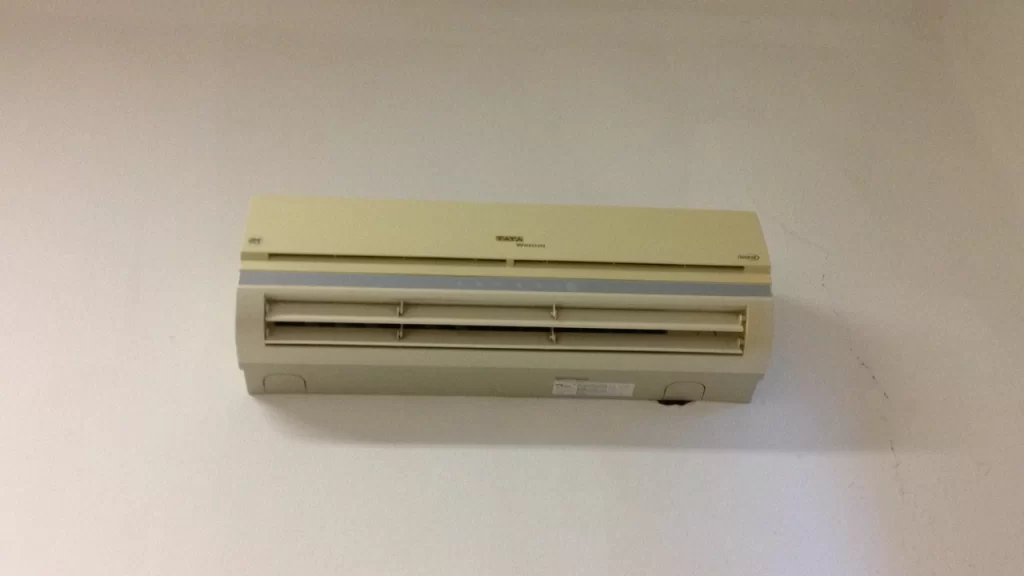
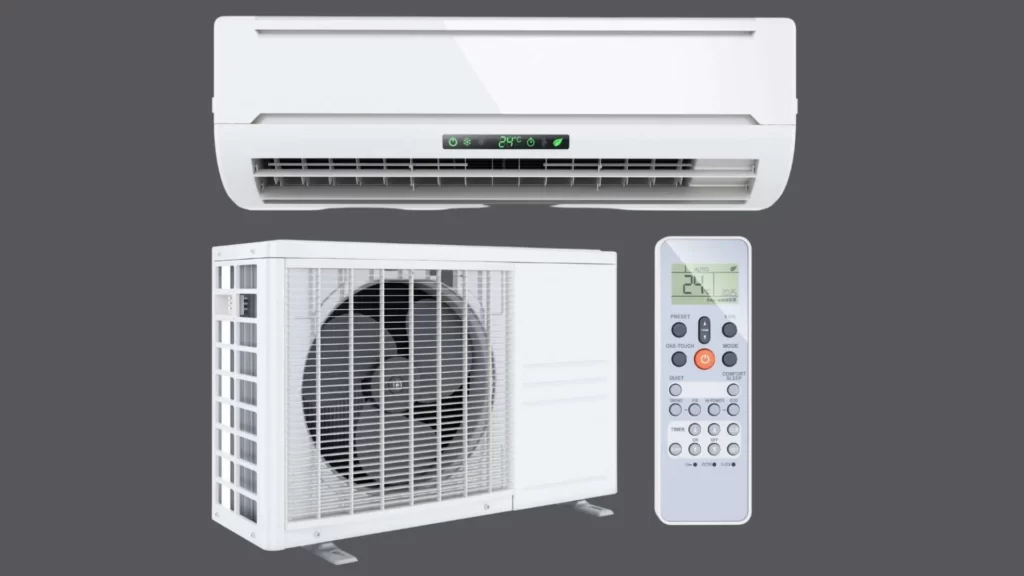
A split air conditioner is another popular type of AC that consists of two units: indoor and outdoor.
The indoor unit contains an evaporator coil and a fan, while the outdoor unit contains a compressor, a condenser coil, and an expansion valve. The two units are connected by copper pipes that carry refrigerant.
A split AC works by taking in hot air from the room, passing it over the evaporator coil that cools it down, and blowing cold air into the room. The hot air and moisture are transferred to the outdoor unit through the pipes, cooled down by the condenser coil, and released outside.
The advantages of a split AC are:
- It is quieter than a window AC
- It does not block natural light and ventilation
- It enhances the aesthetic appeal of the room
- It consumes less electricity than a window AC
- It can cool multiple rooms with one outdoor unit
The disadvantages of a split AC are:
- It is more expensive than a window AC
- It requires professional installation and maintenance
- It requires more space for the outdoor unit
Portable Air Conditioner

A portable air conditioner is an AC that can be moved from one place to another.
It is a single unit with wheels and a handle for easy mobility. A portable AC has a compressor, a condenser, an evaporator, a fan, and a filter inside it. It also has a hose that connects to a window or a vent for exhaust.
A portable AC takes in hot air from the room, passes it over the evaporator coil, cools it down, and blows cold air into the room. The hot air and moisture are expelled outside through the hose.
The advantages of a portable AC are:
- It is easy to use and move
- It does not require any installation or ductwork
- It can be used in any room or space
- It can also function as a dehumidifier or a heater
The disadvantages of a portable AC are:
- It is noisy
- It takes up floor space
- It has a limited cooling capacity
- It consumes more electricity than other types of ACs
Ducted Air Conditioner
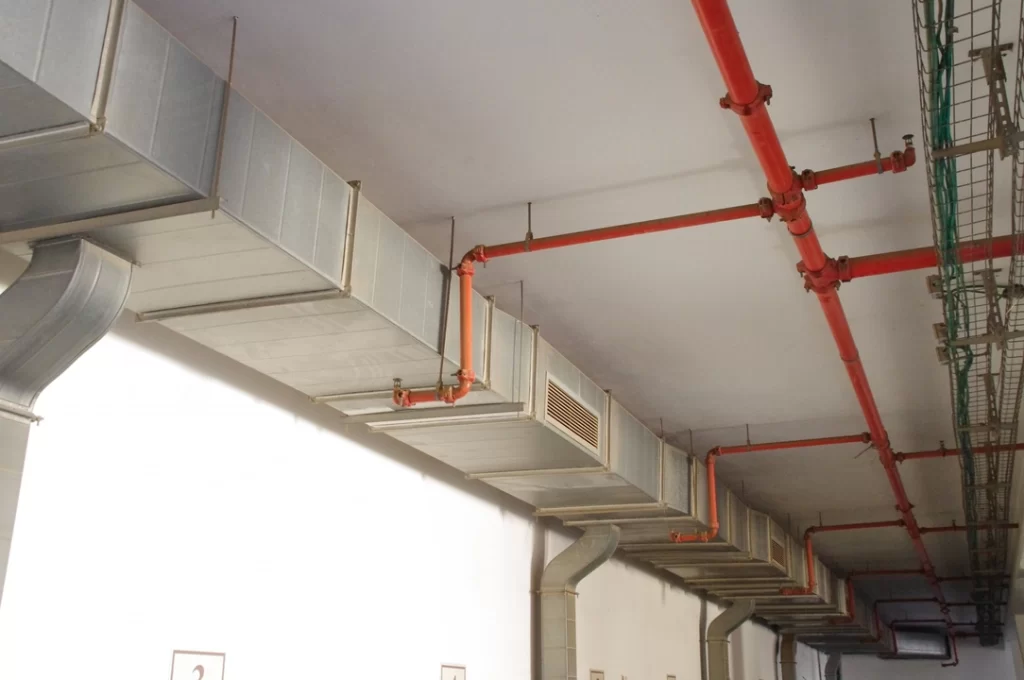
A ducted air conditioner is an AC that can cool an entire house or building.
It consists of an outdoor unit with a compressor and a condenser and an indoor unit with an evaporator coil and a fan. The indoor unit is usually installed in the ceiling or under the floor and connected to various rooms through cold air ducts.
A ducted AC takes in hot air from different rooms, passes it over the evaporator coil that cools it down, and blows out cold air into different rooms through ducts. The hot air and moisture are transferred to the outdoor unit through pipes, cooled down by the condenser coil, and released outside.
The advantages of a ducted AC are:
- It can cool multiple rooms with one system
- It can provide both heating and cooling
- It can allow temperature control for different zones
- It can improve the aesthetic appeal of the rooms
- It can operate quietly
The disadvantages of a ducted AC are:
- It is expensive to install and maintain
- It requires sufficient ceiling or floor space
- It may lose efficiency due to duct leakage
- It may not be suitable for small or irregular spaces
Conclusion
In conclusion, there are four types of air conditioners – window air conditioners, split air conditioners, portable air conditioners, and ducted air conditioners. Each type has advantages and disadvantages; you should choose the one that suits your needs and budget. Consider factors like the size of your room, your cooling requirements, and your budget before purchasing. With the right air conditioner, you can beat the heat and enjoy a comfortable and cool environment in your home or office.